
Look at what was uncertain about the process.
Manufacturers may develop or improve products and production processes while solving technical problems. A useful review starts with the capability, method, or design that was uncertain, then follows the alternatives evaluated to address it. The research must meet the applicable statutory requirements (IRC §41(d)).
For example, a team may test different material combinations or operating parameters to resolve an unresolved performance problem. Describe the technical basis for the trials and how results guided the next step. Purchasing a newer machine or improving throughput does not alone establish qualified research.
The unit of review matters. Identify the product or process being evaluated rather than treating the entire facility or capital project as one undifferentiated research activity.
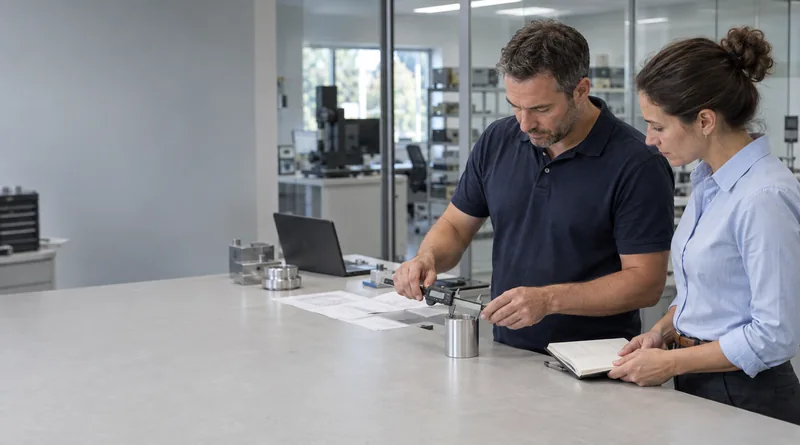
Keep records of prototypes and test results.
Trial logs, design revisions, test specifications, measurements, and engineering notes can help explain what alternatives were considered. Retain failed trials as well as successful ones. A final approved drawing often shows the outcome but little of the investigation that produced it.
Suppose a component repeatedly deforms under a specified load. Records comparing materials, dimensions, and test results may explain a technical evaluation. A note saying only “improved durability” leaves the uncertainty and process unclear. These examples illustrate questions to examine, not automatic eligibility conclusions.
Record who participated, when testing occurred, and which materials were consumed. Technical and financial records become more useful together when they share project or trial identifiers.
Separate development from routine production.
The regulations address research after commercial production and distinguish ordinary production activities from research. Routine quality control, troubleshooting, and adaptation can raise exclusions or separate factual questions (Treas. Reg. §1.41-4(c)). A production setting does not settle the answer either way.
Identify when a particular development objective was resolved and what work continued afterward. If a later improvement creates a new technical uncertainty, describe that later project separately. Do not extend a research period indefinitely because the product continues to evolve commercially.
Keep sales activity, operator training, ordinary setup, and production output distinct from the experimental work. The boundary should follow the facts rather than a department's budget category.
Review supplies, wages, and equipment carefully.
Qualified expense rules distinguish employee services, research supplies, and contract research. Supplies exclude property of a character subject to depreciation, so buying production equipment is not the same as buying includible research supplies (IRC §41(b)(2)(C)).
For trial materials, retain purchase and usage records and explain the link to qualified research. Do not assume all scrap, rework, or prototype-related spending qualifies. For employee wages, identify qualified services and support the allocation to those services. Operators and engineers can have different roles within the same trial.
Customer-funded projects and outside engineering arrangements need contract review. Payment risk and rights can affect the analysis. When several facilities are involved, track where work occurred for the state credit review.
Talk to us about your manufacturing projects.
Choose one or two development projects and gather an outline of the technical problem, trials performed, dates, participants, and available records. Include an engineering or operations contact and someone who can explain the costs. Avoid estimating a credit from total manufacturing payroll.
Paribus Advisors prepares federal and state R&D tax credit studies and supporting claim packages. Call to discuss your development work and the records needed to calculate and document the credit. For the broader framework, read our eligibility guide.
More help with your R&D credit.
Explore supplies and prototype costs and unsuccessful development projects when organizing your manufacturing study.